15 Best Coffee Makers With Milk Frother for 2026: Perfect Your Brew
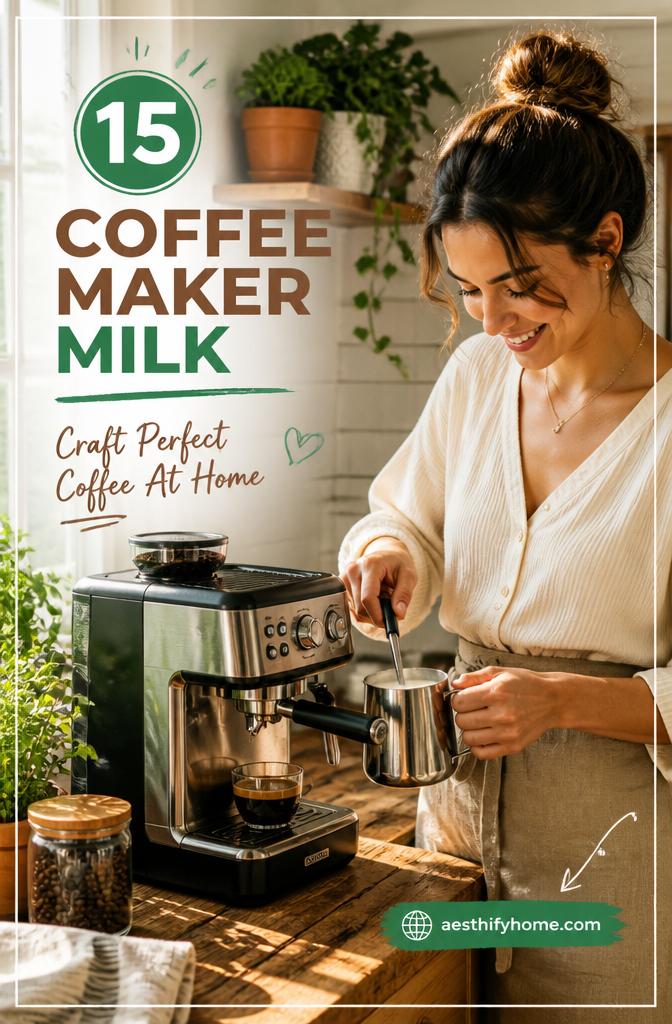
A great cup of coffee can turn an ordinary morning into a small daily ceremony. In 2026, more people want that ceremony at home, with cafe-quality texture and flavor without the cafe line. The best coffee machines now combine reliable brewing with a capable milk frother, so you can move from a clean espresso to a silky cappuccino without changing appliances.
With 15 standout coffee makers in the current landscape, choosing the right one is less about chasing every feature and more about matching the machine to your routine. Below is a practical guide to the main types, how to set up a home coffee station, and the habits that make a real difference.
What to Look For in a Coffee Maker With a Milk Frother
Start with your drink preferences. If you mostly want espresso, Americanos, or a quick latte, a compact automatic machine with a built-in frother may be enough. If you enjoy dialing in shots and pouring latte art, a semi-automatic espresso maker with a steam wand gives you more control.
- Brewing method: espresso, drip, pod, or bean-to-cup
- Frother type: steam wand, automatic milk system, or handheld frother
- Milk options: dairy, oat, almond, soy, and other plant-based milks
- Capacity and speed: single cup versus multi-cup households
- Cleaning: removable parts, dishwasher-safe pieces, and descaling access
- Footprint and noise: counter space and early-morning sound levels
- Budget: purchase price plus ongoing beans, pods, filters, and milk
Also think about ergonomics. A machine with a high clearance for tall cups, an accessible water tank, and easy-to-reach controls will feel better every day. If you use a scale and timer, make sure there is space for them without crowding the drip tray.
Match the Frother to Your Favorite Drinks
The milk frother is where texture is created. Different systems suit different habits.
- Steam wand: Best for learning microfoam and pouring latte art. It offers the most control but requires practice and regular wiping.
- Automatic milk system: Convenient for one-touch lattes and cappuccinos. It is fast and consistent, though some models need more thorough cleaning.
- Handheld frother: Simple and inexpensive. Good for light foam, but it does not heat milk as evenly as a steam wand.
- Integrated frother in drip or pod machines: Useful for quick drinks. Expect simpler texture and fewer adjustments.
For plant-based milks, choose a frother that can create fine, stable foam. Oat milk tends to perform well, while some almond and soy varieties separate or thin out when overheated. Start with a cold pitcher and a small amount of air at the beginning of steaming, then finish with a rolling whirlpool to blend the foam.
Build a Home Coffee Station That Works
A home coffee station is more than a shelf with a machine. It is a workflow that keeps your tools close and your counters clear.
- Place the machine near an outlet and a water source if possible.
- Keep beans, grinder, scale, tamper, and cups within arm’s reach.
- Use a small tray to catch spills and define the zone.
- Store milk in the fridge door for easy access, and keep a dedicated frothing pitcher nearby.
- Add a knock box for espresso pucks and a microfiber cloth for the steam wand.
Lighting matters too. A small lamp above the machine helps you judge crema color and milk texture. If your machine is noisy, consider a rubber mat to reduce vibration and protect the counter.
Dial In Your Espresso and Milk Texture
Great results come from a repeatable routine. Use these steps as a baseline and adjust to your taste.
- Weigh your beans and grind just before brewing. Aim for a consistent dose and adjust grind size if the shot runs too fast or too slow.
- Preheat your cup and portafilter. A warm cup keeps espresso hotter and preserves crema.
- Texture milk in a chilled pitcher. Start with a short stretching phase, then submerge the tip to create a smooth whirlpool.
- Pour promptly. Latte art is easier when foam and milk are still integrated.
- Wipe and purge the steam wand immediately after use to prevent buildup.
Common mistakes include using stale beans, overfilling the pitcher, and letting milk sit too long before pouring. If your shots taste sour, the grind may be too coarse or the water too cool. If they taste bitter, try a finer grind or a slightly shorter extraction.
Keep Your Machine Clean and Ready
Cleaning protects flavor and extends the life of your coffee maker. Make a simple daily and weekly routine.
- Daily: Empty the drip tray, wipe the steam wand, and rinse the milk system if your model has one.
- Weekly: Wash removable parts, clean the grinder hopper if applicable, and run a backflush or cleaning cycle where recommended.
- Monthly or as needed: Descale according to your water hardness and the manufacturer’s guidance.
- Always: Use filtered water to reduce scale and improve taste.
Pay special attention to milk residue. It can harden quickly and affect both hygiene and frothing performance. If your machine has tubing for an automatic frother, follow the cleaning instructions carefully and avoid leaving milk in the system overnight.
2026 Coffee Trends That Matter at Home
The 2026 coffee trends worth watching are practical rather than flashy. More machines support plant-based milks with improved frothing performance. Quiet grinders and compact footprints make early-morning brewing kinder to households. Smart features are becoming simpler, with clear apps and guided recipes instead of complicated menus.
Sustainability also shapes choices. Reusable filters, repairable parts, and energy-saving modes are easier to find across coffee makers. If you prefer pods, look for recyclable or compostable options and a machine that can handle them responsibly.
Quick Comparison of 15 Standout Options
To keep the list useful, here is a concise view of the types you are likely to encounter across 15 popular models in 2026.
- Automatic espresso machines with one-touch milk systems for speed and consistency
- Semi-automatic espresso makers with steam wand control for enthusiasts
- Bean-to-cup machines with integrated grinders for convenience
- Compact pod machines with built-in frothers for small spaces
- Hybrid drip-and-espresso systems for households with varied preferences
- Portable espresso makers with handheld frothers for travel or limited counters
- Mid-range machines that balance price, cleanup, and drink quality
- Premium machines with dual boilers for simultaneous brewing and steaming
- Quiet-grinder models designed for noise-sensitive homes
- Plant-milk-friendly systems with adjustable froth density
- Entry-level bundles that include grinder, tamper, and frothing pitcher
- Countertop models with tall cup clearance for travel mugs
- Energy-efficient machines with auto-off and eco modes
- Smart machines with guided recipes and maintenance reminders
- Service-friendly designs with wide parts availability
Each category has strengths. The best coffee machines for your home coffee station are the ones that fit your drinks, your space, and the time you want to spend on cleanup.
FAQ
Which type of milk frother is best for lattes and cappuccinos?
A steam wand gives the most control and is ideal for latte art. An automatic milk system is faster and more consistent for one-touch drinks. Choose based on how much practice and cleanup you want.
Can these coffee makers froth oat, almond, and soy milk?
Yes, many modern machines handle plant-based milks well. Start with a cold pitcher, avoid overheating, and experiment with stretch time. Some varieties foam better than others, so test small batches first.
How often should I descale a coffee maker with a milk frother?
Follow the manufacturer’s guidance, which often depends on water hardness. As a general habit, check monthly and descale when prompted. Use filtered water to reduce buildup and keep flavor clean.
Read more: 15 Best Coffee Makers With Milk Frother for 2026: Perfect Your Brew

Nhận xét
Đăng nhận xét