Convertible Crib 101: Smart Strategies for Budding Parents
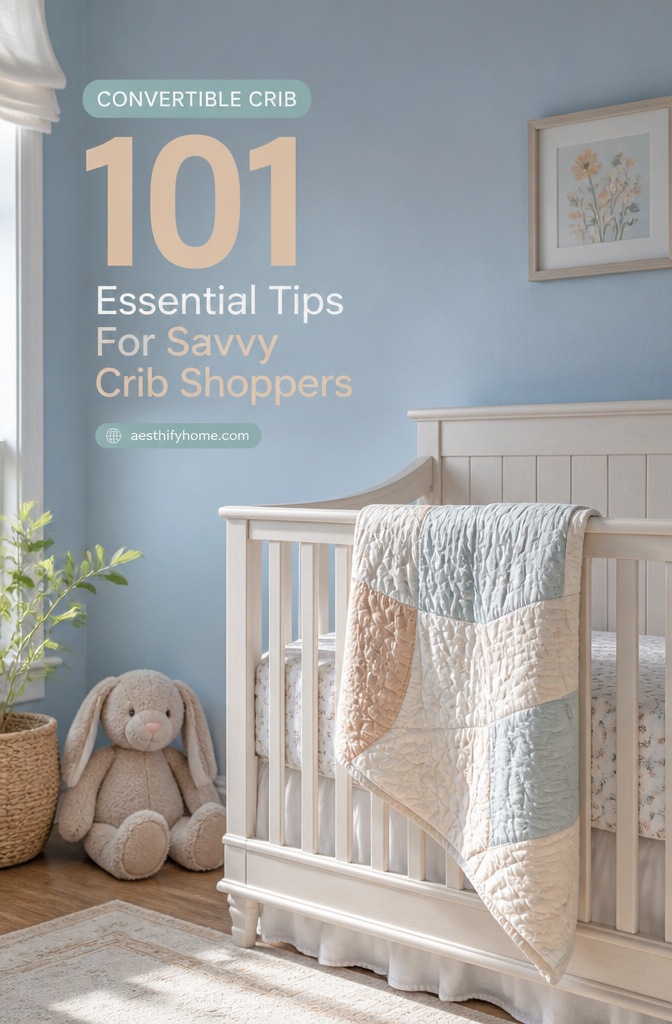
A convertible crib promises to grow with your child, but the smartest nursery decisions begin before you click “add to cart.” The right choice balances safety, style, and the full cost of ownership—not just the sticker price. Use this beginner-friendly crib buying guide to plan a baby room that works today and adapts tomorrow, while keeping your nursery budget on track.
Start With the Room and the Routine
Before comparing models, measure the space and think through daily use. Note the room’s width and depth, door swing, window placement, and the path from the door to the crib. Leave a clear buffer around the crib so you can reach in comfortably without bumping walls or furniture.
Sketch a simple layout that includes a changing area, feeding chair, and storage. If you expect the room to serve multiple purposes later, consider how convertible pieces will affect the floor plan. A crib that converts into a toddler bed and later a full-size headboard may occupy a different footprint than the original setup.
Also consider your routine. If you plan to breastfeed or bottle-feed overnight, a chair nearby may matter more than extra drawers. If you need frequent diaper changes, a dresser with a secure changing top can reduce clutter. These parenting tips keep the room practical from day one.
Understand Convertible Crib Types and Stages
Convertible cribs are designed to move through stages, but not every model follows the same path. Common conversions include crib to toddler bed, crib to daybed, and crib to full-size bed with a headboard and footboard. Some designs are three-in-one, while others offer more stages.
Think about how long you want each stage to last. A toddler conversion often keeps the same mattress and side rail approach, while a full-size conversion may require a larger mattress and additional support slats. Confirm what the conversion actually looks like before choosing a style.
Match the conversion plan to your household. If you expect to move homes, a crib that converts into a freestanding full-size bed may be easier to reuse than a daybed that depends on a specific room layout. If you plan for more than one child, consider whether the design can cycle through stages again safely.
Look Beyond the Price Tag: Hidden Costs
The base price is only part of the nursery budget. Conversion kits, guardrails, larger mattresses, and replacement hardware can add up. Some cribs include conversion pieces; others sell them separately. Always check what is included and what must be purchased later.
Factor in mattress costs. A crib mattress now and a toddler or full-size mattress later are separate expenses. You may also need new bedding sized for each stage. If the crib converts to a full-size bed, you will eventually need a full-size frame, slats or a foundation, and a larger mattress.
Other costs can include assembly tools, moving help, and storage for parts you are not using yet. Keep all hardware and instructions in one labeled bag. If you lose a bracket or crossbar, sourcing a replacement later may be difficult or expensive.
Safety and Quality Checks That Matter
Safety should guide every decision. Look for solid construction, smooth finishes, and hardware that tightens securely. Avoid cribs with cutouts or decorative elements that could trap a child’s head or limbs. The spacing between slats should follow current safety standards, and the mattress should fit snugly without gaps.
Check how the side rail operates. On a crib-to-toddler conversion, the rail should lock firmly and be difficult for a child to release. If you choose a drop-side design, know that many regions restrict or ban them; a fixed-side crib is the safer, more future-proof choice.
Inspect the finish and materials. Low-emission finishes and durable hardware reduce wear and help the piece last through multiple stages. If you prefer secondhand furniture, confirm that the model has not been recalled and that all parts are available. When in doubt, buy new for newborn furniture.
Plan the Conversion Before You Buy
Write down the timeline you expect: newborn crib, toddler bed, and later a full-size bed. Estimate when each transition will happen and what you will need at that point. This simple plan reveals hidden costs early and prevents rushed purchases.
Compare models by conversion path. One crib may require a toddler guardrail, while another uses a half-rail or a daybed configuration. A full-size conversion may need a separate headboard kit and a specific slat spacing. Choose a design whose parts are easy to find and clearly documented.
Think about resale and reuse. If you may pass the crib to a sibling or another family, select a neutral finish and a common mattress size. Keep the original instructions and hardware together. These steps protect your investment and make future transitions smoother.
Style the Nursery Without Overspending
A convertible crib can anchor the baby room for years, so choose a finish and silhouette that will age well. Natural wood tones, soft white, and muted colors blend with changing decor. If you love a bold trend, introduce it through paint, art, or textiles that are easy and affordable to update.
Build the nursery budget in layers. Start with the crib, mattress, and essential safety items. Add storage and seating next, then decorate last. This order keeps the room functional even if you need to pause spending.
Reuse and repurpose when possible. A sturdy dresser can double as a changing station with a secure pad. A simple shelf can hold books and small essentials. As your child grows, swap decor rather than furniture to keep costs manageable.
FAQ
What is a convertible crib?
A convertible crib is designed to transform through stages, such as from crib to toddler bed or daybed, and sometimes to a full-size bed. The frame stays in use while guardrails, slats, or other parts are added or removed.
Do I need to buy a new mattress for each conversion?
Often yes. A crib mattress fits the newborn stage, while toddler and full-size conversions require appropriately sized mattresses. Check the manufacturer’s guidance for each stage so the fit remains safe and snug.
How can I keep conversion costs within my nursery budget?
Choose a model that includes key conversion parts, budget for future mattresses and bedding, and keep all hardware organized. Planning the timeline before you buy helps you avoid last-minute purchases and protects your nursery budget.
Read more: Convertible Crib 101: Smart Strategies for Budding Parents

Nhận xét
Đăng nhận xét