7 Captivating Curtain Rods to Transform Your 2026 Decor
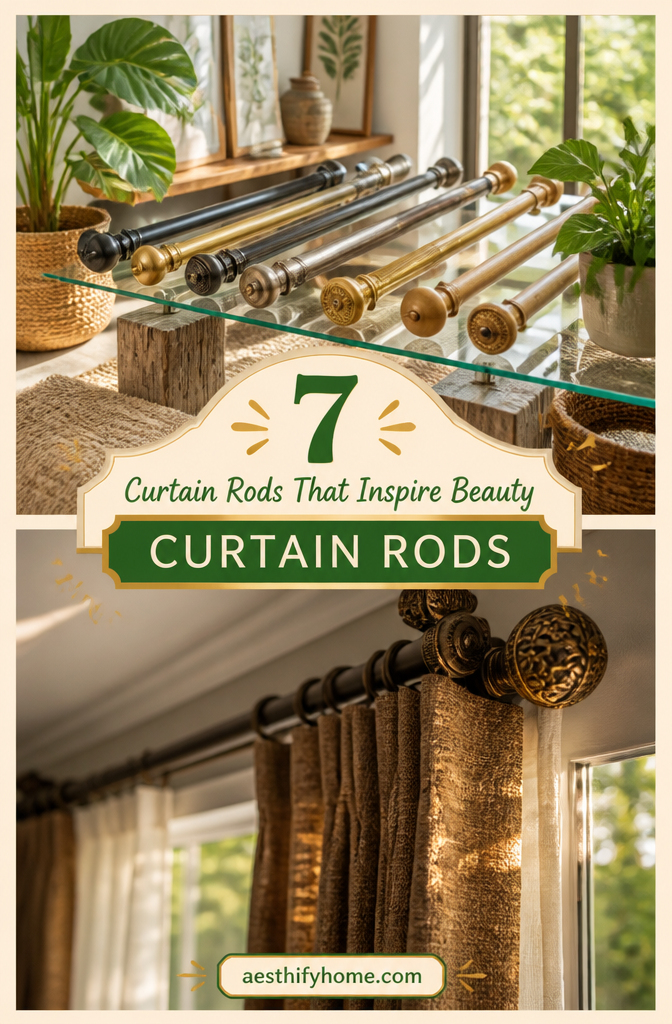
Curtain rods may be a small detail, but they can completely change how a room feels. The right pair gives your window treatments a polished finish, supports the fabric properly, and makes stylish curtains look intentional rather than improvised. As 2026 trends lean toward tactile materials, confident silhouettes, and purposeful room decoration, updating this often-overlooked hardware is an easy way to refresh your home decor. Here are seven captivating curtain rod styles to inspire your interior design, along with practical tips for choosing and installing them.
1. Sculptural Brackets
Brackets are usually hidden in plain sight, but sculptural versions turn them into miniature works of art. Look for angular, curved, or twisted supports that add visual interest without overwhelming the window.
- Choose brackets with a strong silhouette when curtains are open, since they remain visible most of the day.
- Keep the rod itself simple if the brackets are decorative, avoiding a crowded look.
- Match the finish across brackets, finials, and rings for a cohesive result.
- Check that the bracket arm extends far enough from the wall so the fabric can move freely.
This approach works especially well in minimalist rooms where small details carry more weight.
2. Warm Metal Finishes
Brushed brass, antique bronze, and muted gold are among the 2026 trends that bring warmth to interior design. These finishes soften contemporary spaces and complement both neutral and richly colored walls.
Before committing, tape a sample of the metal near the window to see how it changes in daylight. Warm metals can look golden in sunlight and deeper at night, so evaluate them at different times. Repeat the finish in nearby hardware—light switches, cabinet pulls, or picture frames—to make the choice feel deliberate rather than accidental.
3. Extra-Long, Seamless Rods
For wide windows, sliding doors, or open-plan layouts, an extra-long rod creates a calm horizontal line that makes the room feel broader. Seamless designs reduce visual interruptions and keep the focus on the drapery.
- Measure the full width before ordering; some rods are made to extend in sections, while others are cut to size.
- Use a center support for longer spans to prevent sagging.
- Extend the rod beyond the window frame so curtains can stack at the sides without blocking light.
- Confirm that the rod fits your wall structure, especially near corners or narrow trim.
This style is ideal for living rooms and bedrooms where generous window treatments create a luxurious effect.
4. Ceiling-Mounted Rails
Mounting curtain rods at the ceiling is a practical trick that also looks refined. It draws the eye upward, emphasizing ceiling height and making even modest windows feel grander.
Ceiling installation is particularly useful when the wall above a window is short or crowded with artwork. Use sturdy anchors rated for the weight of your curtains, and allow enough clearance for the fabric to glide without catching on molding. If the ceiling slopes, choose adjustable brackets so the rail remains level.
5. Mixed-Material Combinations
Wood and metal, matte black and natural oak, or painted rods with metallic brackets can add depth to room decoration. Mixed materials feel current without relying on trendy patterns or colors.
Keep the palette controlled: combine no more than two materials in one window, and repeat them elsewhere in the space. For example, pair a slim black rod with oak finials if the room already has black picture frames and wooden furniture. This creates a connection between the window treatments and the rest of the interior design.
6. Minimalist Rods with Hidden Hardware
For a clean, uninterrupted look, choose curtain rods that conceal brackets or attach directly to the wall with discreet supports. This style works beautifully in modern bedrooms, home offices, and any space where simplicity is the goal.
Hidden hardware requires precise installation. Mark your drill points carefully, use a level, and check for pipes or cables before drilling. If you rent or prefer flexibility, tension-mounted alternatives can work for lightweight curtains, though they may not support heavy drapery. Always match the mounting method to the fabric’s weight.
7. Bold Finials and Endcaps
Finials are the punctuation marks of your window. Oversized spheres, faceted shapes, fluted caps, or sculptural knots can give plain rods a distinctive personality. They are an easy way to update home decor without replacing the curtains.
Select finials that echo shapes already in the room—a round knob, a geometric lamp base, or a carved detail on a cabinet. Make sure they fit through the curtain rings or do not interfere with grommets and rod pockets. If your curtains slide to one side, leave enough rod length beyond the bracket so the finial does not push the fabric out of place.
How to Choose the Right Curtain Rods
Start by measuring the window’s width, then add 8 to 12 inches on each side to allow the curtains to open fully. Decide whether you will mount the rod inside the frame or outside it; outside mounting usually gives a broader, more generous appearance.
Consider curtain weight. Lightweight sheers need slim rods and small brackets, while lined drapes require stronger supports. Check the rod’s load capacity, especially for long spans or heavy fabrics. Finally, test the finish against paint, upholstery, and flooring. A finish that looks elegant in a showroom may feel too cool or too warm at home.
Installation Tips for a Flawless Finish
- Use a stud finder or appropriate wall anchors for secure support.
- Hold the rod up to the window before drilling to confirm height and width.
- Keep both brackets level, even if the wall or trim is slightly uneven.
- Leave space between the rod and the wall so curtains slide smoothly.
- Hang the curtains and adjust the bracket position if the fabric bunches or drags.
Step back after installation and view the window from across the room. Small adjustments to height or width can make the entire composition feel more balanced.
Common Mistakes to Avoid
- Choosing a rod that is too short, which makes windows look smaller.
- Ignoring curtain weight and ending up with sagging hardware.
- Mixing too many finishes, creating a disjointed look.
- Mounting too low, which shortens the wall visually.
- Forgetting about clearance for tiebacks, radiators, or opening windows.
These errors are easy to prevent with careful measuring, a clear plan, and a quick check of how the curtains move in daily use.
FAQ
What size curtain rod should I choose?
Measure the width of the window and extend the rod several inches beyond each side so curtains can stack away from the glass. For wider openings, select a rod with center support and confirm it can handle the curtain’s weight.
Can I use curtain rods in a rental?
Yes. Tension rods are convenient for lightweight curtains, while removable brackets or adhesive systems can work for modest loads. Always follow product guidelines and avoid drilling if your lease prohibits it.
How do curtain rods fit 2026 trends?
The current direction favors warm metals, sculptural details, natural materials, and clean silhouettes. Choose hardware that complements your window treatments and reflects the broader interior design of the room rather than following a trend in isolation.
Read more: 7 Captivating Curtain Rods to Transform Your 2026 Decor


Nhận xét
Đăng nhận xét